
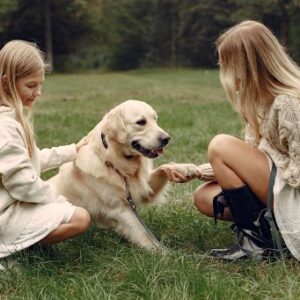
Early Goldendoodle training works best when owners treat the puppy as bright, social and easily over-aroused, not as a soft toy with a cute coat. Families comparing labradoodle puppies breeders often need the same lesson, because both doodle types can learn quickly, bond hard and notice every gap in the household routine. The first weeks should build calm habits, gentle confidence and grooming tolerance before jumping, mouthing or noisy attention seeking becomes part of daily life.
A new puppy does not need a crowded training plan. It needs sleep, toilet timing, short handling and calm repetition. Goldendoodles often want to follow people from room to room, so owners should reward relaxed settling as much as sitting. A puppy that can rest beside family life will cope better than one praised only for tricks.
Owners of mini goldendoodle puppies should keep sessions tiny. Two or three minutes is enough for name response, a hand target or a simple sit. End before the puppy gets silly. That is how training stays clean.
| Skill | Daily Target | Why It Matters |
| Toilet rhythm | Out after sleep, food and play | Builds fast predictability |
| Name response | Five tiny sessions | Creates attention without shouting |
| Gentle handling | Ears, paws, collar, mouth | Prepares for grooming and vet checks |
| Settling | Reward quiet lying down | Reduces demand barking later |
Good socialisation does not mean passing the puppy around until it is tired. It means pairing ordinary life with safety. Let the puppy hear bins, kettles, traffic, doorbells and children at a distance where it can still eat and think. If the puppy freezes, you are too close or moving too fast.
For families buying a labradoodle puppy, the same rule applies. Labradoodles can be bouncy, food driven and curious, but confidence still needs pacing. A well-socialised doodle should recover from mild surprise, not rush into everything like a small tornado.
Goldendoodle puppies explore with teeth. They also jump because it works. If people laugh, squeal or push them away, many puppies treat that as part of the game. Keep greetings boring until four paws touch the floor, then reward quickly. For mouthing, redirect to a chew before the puppy gets frantic.
Quite a few owners researching goldendoodle dogs for adoption meet older doodles who were never taught these basics. That does not make them bad dogs. It means their new home must rebuild simple patterns with patience, reward-based training and clear boundaries.
Doodle coat training is behaviour training. F1 coats can vary from loose wave to shaggy curl, while F1B coats often carry stronger furnishing genes around the face. Furnishings create the beard and eyebrows people love, but they also trap food, rain and mud. Behind ears, armpits, tail base, beard and harness contact points need regular checking, especially after wet UK walks.
People searching for trained mini goldendoodle puppies UK should still expect daily work at home. A breeder may start crate comfort, handling and basic manners, but no puppy arrives fully finished. New owners must continue brushing practice, calm separation, lead manners and polite greetings.
Doodles love people. That sweetness can tip into panic when puppies never practise being alone. Start with seconds, not hours. Step through a baby gate, return calmly, and avoid dramatic exits. Gradually add time while the puppy has a chew or snuffle mat. A puppy that sleeps, chews and settles without constant attention grows into a calmer adult. Every small success counts, especially in the first messy month.
Training starts long before formal classes, and families comparing labradoodle puppies breeders should value early rearing as much as colour, size or coat type. A happy Goldendoodle grows from sleep, rhythm, kind boundaries, social confidence, grooming practice and steady alone time. If you’re ready to bring home a puppy you can train with confidence, browse our current litters or get in touch with Whosdoodles to start your application today.
Training should begin as soon as your Goldendoodle puppy arrives home. Early routines, gentle handling, socialisation, and positive reinforcement help build good behaviour from the start.
Introduce your puppy gradually to different people, sounds, environments, and everyday experiences while keeping each interaction positive and stress-free to build confidence.
Redirect biting with appropriate chew toys, reward calm behaviour, and only give attention when all four paws are on the ground. Consistent positive reinforcement is key.
Early grooming practice helps puppies become comfortable with brushing, nail trimming, ear cleaning, and professional grooming, reducing stress as they grow older.
Start with short periods of alone time, provide safe chew toys or enrichment activities, and gradually increase the duration to help your puppy become confident when left alone.