
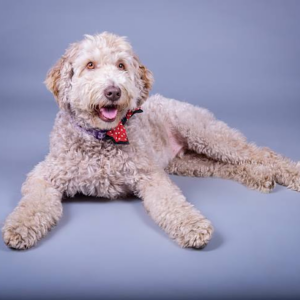
Picking an F1B Labradoodle is far more than just finding a puppy with a pretty color or a curly coat. It’s really about grasping the puppy’s parentage, seeing how the litter was been raised, checking over health info, and figuring out if that dog is likely going to fit your household needs. If you take some time to study these points , you can avoid making a decision that feels emotional or rushed. Plus, it sets up more realistic expectations about grooming, training, temperament, and the duties that start long before collection day.
This buyer’s guide walks you through the important checks and preparations to complete before bringing your puppy home. It covers:
An F1B Labradoodle is generally produced by crossing a first-generation Labradoodle with a Poodle. However, buyers should ask the breeder to explain the exact parentage. Puppies from the same litter may differ in adult size, coat texture, shedding, confidence, and energy.
Useful questions include:
The F1B label describes ancestry. It does not guarantee health, behavior or an allergy-friendly coat.
A practical breeder checklist helps families look beyond price and appearance. Buyers should consider how openly the breeder discusses their dogs, breeding decisions, and puppy care.
Before paying a deposit:
A careful breeder should want to understand where the puppy will live and whether the chosen puppy is a sensible match.
Ask to see relevant health records instead of relying on a general statement that the parents are healthy. Evidence may include veterinary information, genetic screening results, and health testing appropriate to the Labrador Retriever and Poodle sides of the family.
The puppy’s documentation should also clearly record identification details, microchip information, vaccinations, and worming treatment. If a result is unfamiliar, ask the breeder to explain it and consider discussing it with your vet.
A visit allows you to see how the puppies interact with their mother, littermates, people, and surroundings. One meeting cannot predict an adult dog’s complete temperament, but it can reveal how thoughtfully the litter is being raised.
Look for:
Be cautious if you are pressured to pay quickly, cannot see the puppy in an appropriate setting, receive unclear parentage information, or are offered collection in a car park or another unsuitable location.
Puppy contract documents are the paper trail, what the buyer and the breeder have agreed on. Before you collect, ask for enough time to read it properly and slowly, and if any wording is unclear, please request clarification then and there. Don’t just skim it quickly, because some bits can be subtle but still important.
Check that it covers:
Getting a puppy preparation is really about putting the right rhythm in place, not just grabbing accessories. Try to organize the household before the collection day, so the new puppy lands in a calm and secure space without all that extra chaos. It sounds simple, but actually it’s more about everyday routine than the stuff you have on hand.
Prepare the following:
Use a suitable car restraint or secure carrier with comfortable, absorbent bedding. Bring water and cleaning supplies, and take a direct route home where practical. Having another adult present can make supervision easier.
The first week home should center on security, rest, and gentle bonding. Your puppy does not need to learn everything immediately.
Focus on:
An attractive coat or generation label should never replace careful research. Clear parentage, suitable health evidence, honest expectations, and continued guidance provide a stronger basis for your decision. As a family-run UK breeder, WhosDoodles focuses on responsible breeding, early puppy development, and thoughtful matching while continuing to support families as their puppies settle into their new homes.
Before buying an F1B Labradoodle, check the breeder’s reputation, the puppy’s parentage, health records, living environment, contract details, and the support offered after collection. Responsible breeders should also answer your questions openly and help match the right puppy to your lifestyle.
An F1B Labradoodle is usually bred by crossing an F1 Labradoodle with a Poodle. While this generation may have different coat types and characteristics, it does not guarantee a specific temperament, health outcome, or hypoallergenic coat.
Choose a breeder who allows you to meet the puppies and their mother, provides health testing documentation, explains the puppy’s background, follows responsible breeding practices, and offers ongoing guidance after your puppy goes home.
Prepare a safe sleeping area, suitable food, water bowls, a crate or travel carrier, grooming supplies, toys, pet insurance, and register with a local vet. Keeping the home calm and organised helps your puppy settle more comfortably.
During the first week, focus on helping your F1B Labradoodle feel secure by maintaining a consistent feeding routine, offering regular toilet breaks, introducing family members calmly, allowing plenty of rest, and scheduling an initial veterinary check-up.